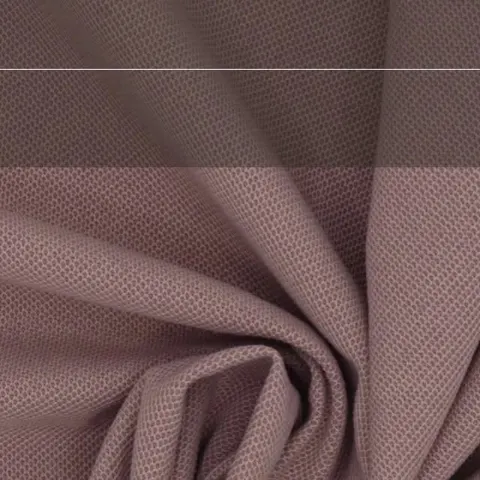
A knitted fabric is only as good as the numbers behind it. Every article DG Knitting
catalogues carries a measured GSM, a finished width and a stated composition — not a range
borrowed from a supplier's brochure. That matters because a garment costed at 220 GSM and
delivered at 195 GSM changes the drape, the hand feel and the cost per piece, and the
person who finds out is your customer.
Circular knit — the working range
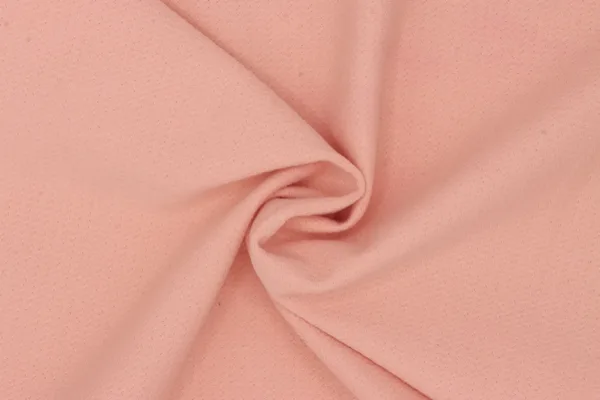
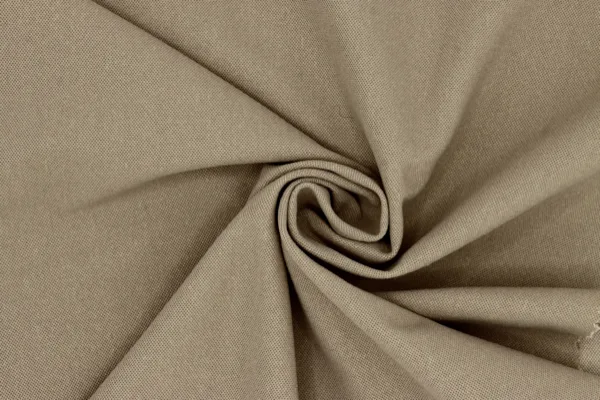
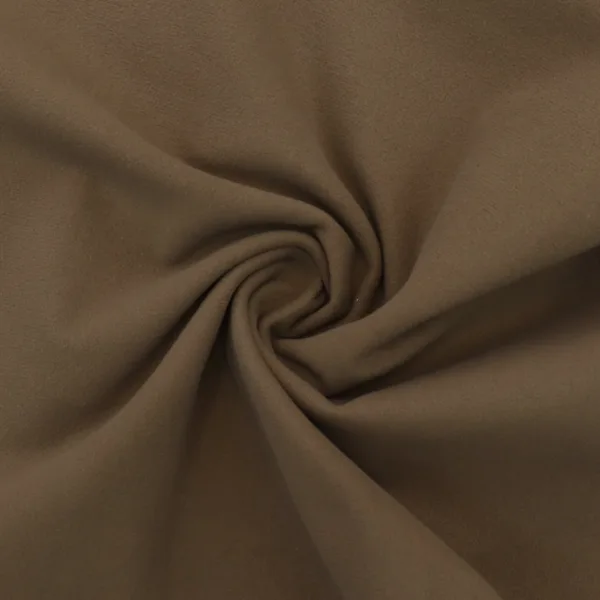
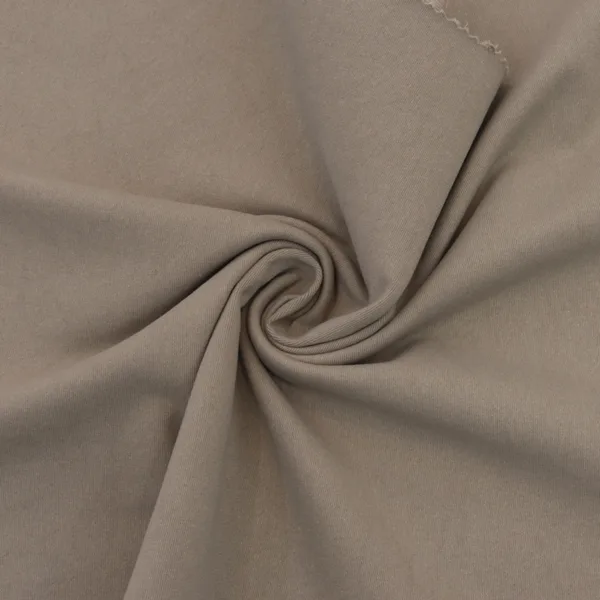
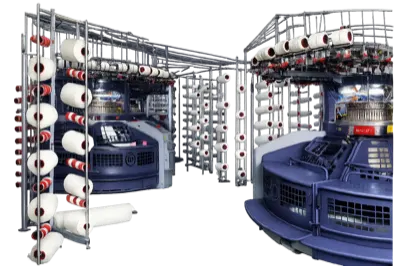
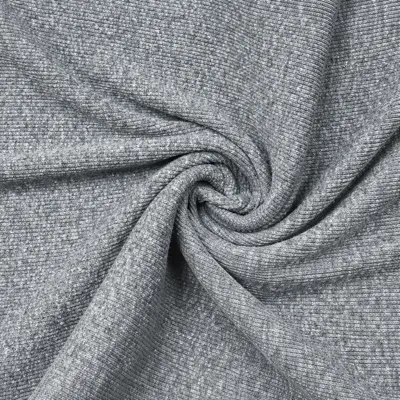
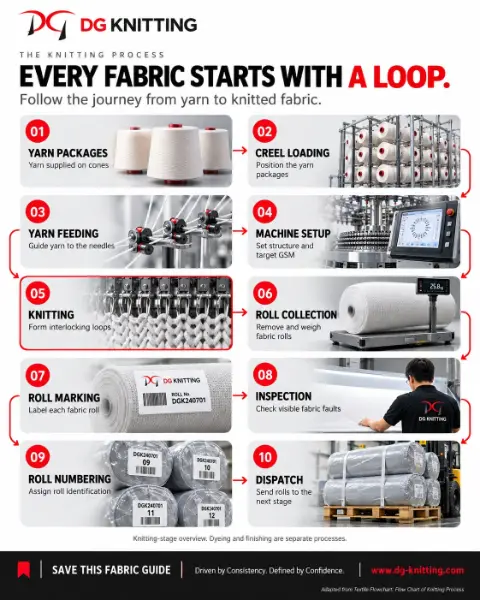
Circular knitting is where most of our volume sits: catalogued articles across fake
cotton, full dull polyester and PV blends, running from 140 GSM lightweights up to 300 GSM
heavy-weights. Fake cotton is the most requested family — a polyester construction
engineered to handle and drape like cotton while holding shade and shape far better than
open-end cotton across a repeat programme. Lightweight qualities go into polos, shirts and
tunics. Mid-weights between 180 and 240 GSM cover co-ord sets and loungewear.
Heavy-weights above 240 GSM become sweatshirts, hoodies and joggers.
Warp knit and flat knit
Warp knitting gives a run-resistant, dimensionally stable fabric, which is why it goes
into curtains, mesh, sportswear and upholstery rather than jersey bodies. Flat knitting
handles the shaped pieces — collars, cuffs and neck tapes knitted to match the garment
they finish, rather than cut from a running length. Both are made to order against your
specification.
How a quality is verified before it ships
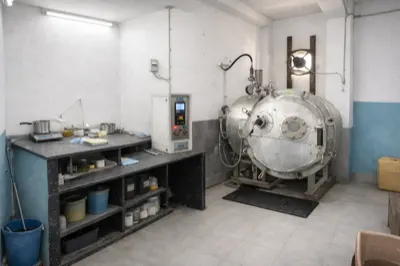
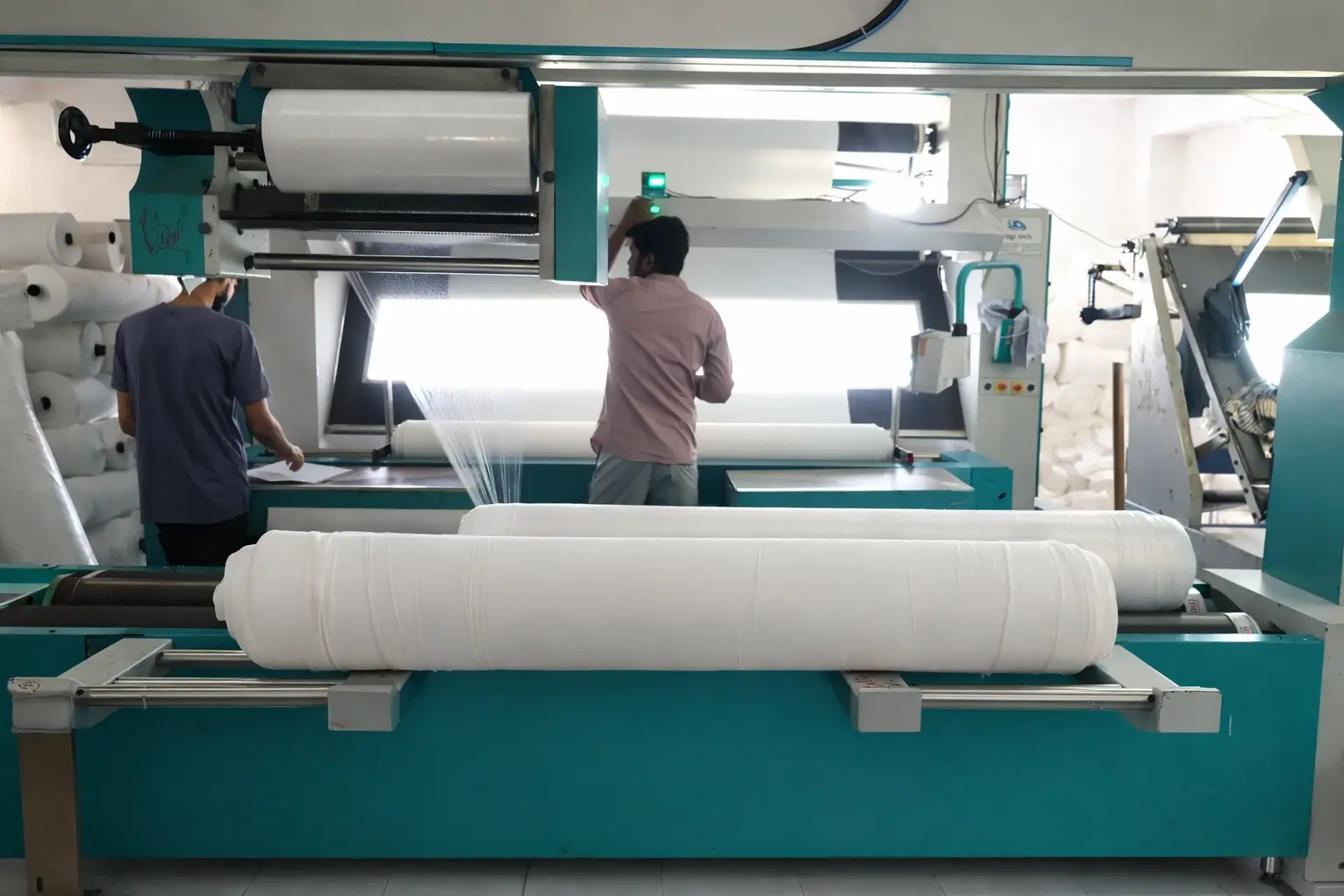
Fabric is measured in our own lab, not sent out for it. GSM is checked on a cutter and
balance, dimensional stability after wash is recorded, colour fastness is tested on a
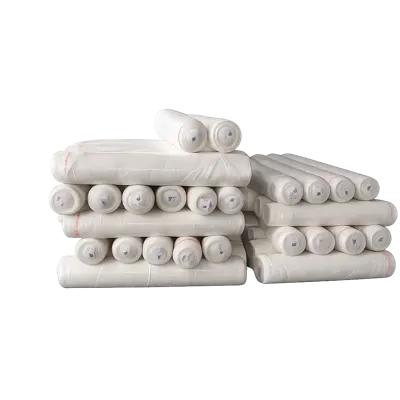
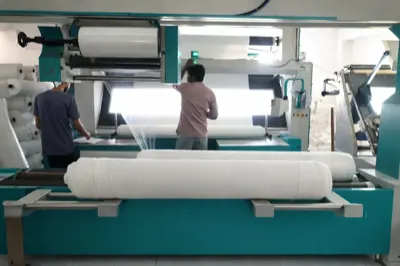
crockmeter, and abrasion resistance is run on a Martindale tester. Rolls are then
inspected under a four-point system before packing. The point of testing in-house is speed
— a shade or a weight that drifts gets caught on the machine that day rather than in a
report three weeks later.