
Fabric for Hoodies and Sweatshirts
Hoodies and sweatshirts are normally knitted between 240 and 300 GSM. Below 240 GSM the garment loses structure through the shoulder and cuff; above 300 GSM it becomes harder to stitch cleanly and adds freight cost without adding warmth. DG Knitting knits this band at 60 inch width in fake cotton and full dull polyester constructions at its Surat mill, with a minimum order of 500 kg and a 7 to 14 day lead time.
What to specify
| Weight band | Best for | Watch out for |
|---|---|---|
| 240–250 GSM | Lightweight hoodies, all-season sweatshirts, co-ord sets | Can feel thin in a boxy oversized fit |
| 250–270 GSM | Standard hoodies and crewnecks, joggers | The safe default for most programmes |
| 270–300 GSM | Winter hoodies, thermal styles, structured outerwear | Longer drying time; heavier freight per piece |
Loop-back or brushed back
At the same GSM these feel like two different garments:
- Loop-back — the inner face shows visible loops. Reads lighter, breathes better, dries faster. Suits all-season and warmer-climate programmes.
- Brushed back — the loops are mechanically raised into a soft nap. Reads warmer and fuller. Suits winter programmes.
Decide this before sampling. It changes the garment more than a 20 GSM difference does.
Matching tops and bottoms
For a hoodie-and-jogger set, the usual failure point is shade mismatch between top and bottom when the two are sourced from different mills. Knitting both from the same article and dye lot removes the problem.
What we tell buyers before they sample
Articles currently in this weight band
Live from our catalogue — specifications are lab-verified and updated as the range develops.
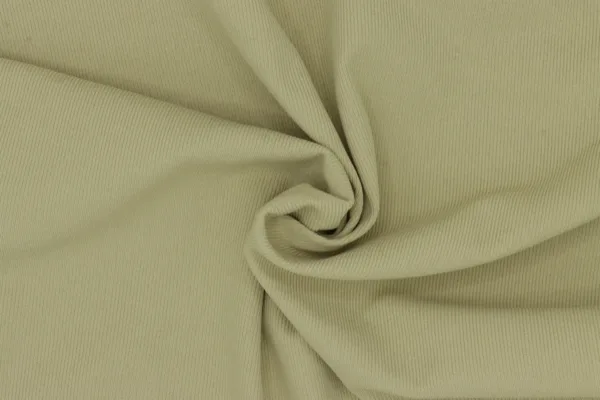 240 GSM
DG COT Soft Rib
DG CIR 0002
Casual Tops, Co-ord Sets, Sweatshirts & Hoodies
240 GSM
DG COT Soft Rib
DG CIR 0002
Casual Tops, Co-ord Sets, Sweatshirts & Hoodies
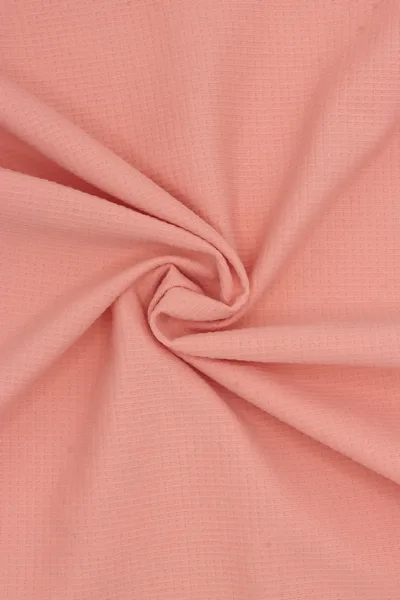 240 GSM
DG COT Mini Grid
DG CIR 0004
Casual Tops, Polos, Co-ord Sets
240 GSM
DG COT Mini Grid
DG CIR 0004
Casual Tops, Polos, Co-ord Sets
 240–250 GSM
DG COT Boomer
DG CIR 0006
Casual Tops, Shirts & Tunics, Co-ord Sets
240–250 GSM
DG COT Boomer
DG CIR 0006
Casual Tops, Shirts & Tunics, Co-ord Sets
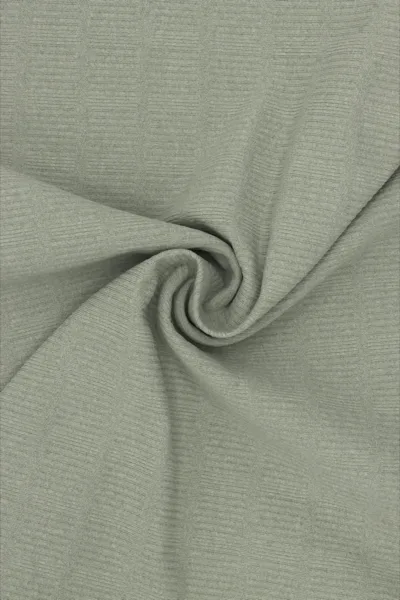 240 GSM
DG COT Dry Line
DG CIR 0011
Co-ord Sets, Shirts & Tunics, Casual Tops
240 GSM
DG COT Dry Line
DG CIR 0011
Co-ord Sets, Shirts & Tunics, Casual Tops
 250 GSM
DG COT Peach Touch
DG CIR 0001
Co-ord Sets, Sweatshirts & Hoodies, Joggers
250 GSM
DG COT Peach Touch
DG CIR 0001
Co-ord Sets, Sweatshirts & Hoodies, Joggers
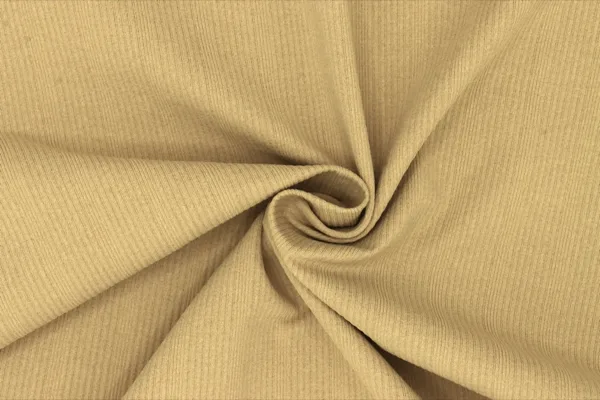 250 GSM
DG COT Fine Rib
DG CIR 0012
Shirts & Tunics, Polos, Co-ord Sets
250 GSM
DG COT Fine Rib
DG CIR 0012
Shirts & Tunics, Polos, Co-ord Sets
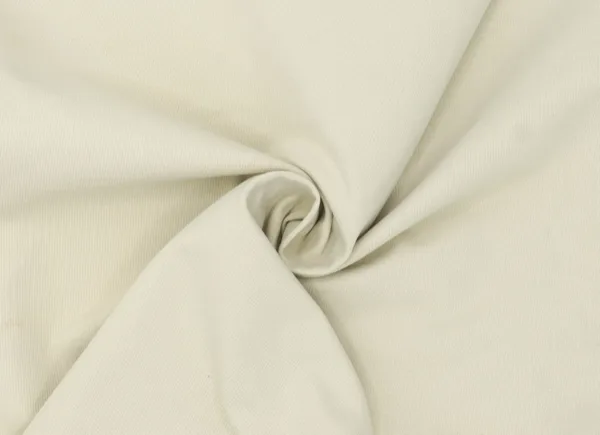 250 GSM
DG COT Miss Dot
DG CIR 0017
Shirts & Tunics, Co-ord Sets, Loungewear
250 GSM
DG COT Miss Dot
DG CIR 0017
Shirts & Tunics, Co-ord Sets, Loungewear
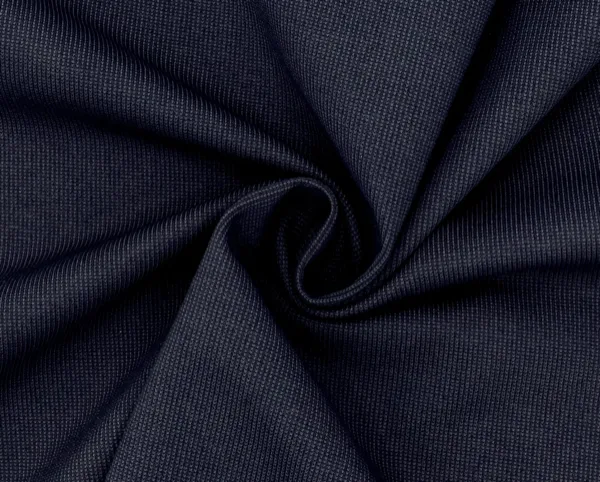 270 GSM
DG COT Miss Dot Heavy
DG CIR 0023
Polos, Shirts & Tunics, Light Outerwear
270 GSM
DG COT Miss Dot Heavy
DG CIR 0023
Polos, Shirts & Tunics, Light Outerwear
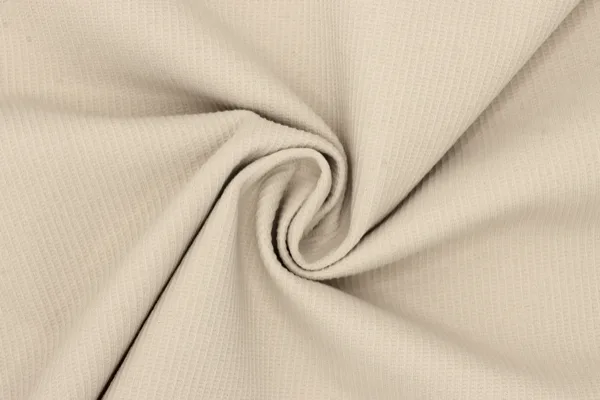 290–300 GSM
DG COT Thermal Grid
DG CIR 0005
Sweatshirts & Hoodies, Co-ord Sets, Joggers
290–300 GSM
DG COT Thermal Grid
DG CIR 0005
Sweatshirts & Hoodies, Co-ord Sets, Joggers
Get swatches
Tell us the garment, the season it ships in, and your monthly quantity. We will shortlist articles across the weight band, send physical swatches and quote per kilogram.
Related
Published . Last reviewed .