
Fake Cotton Fabric — What It Is, and How We Knit It
Fake cotton is a polyester-based circular knit engineered to look and feel like cotton. It is brushed or peach-finished to give a matte surface and a soft, cotton-like handfeel, while keeping polyester’s colour retention, dimensional stability, low shrinkage and lower landed cost. DG Knitting knits fake cotton across roughly 140 to 300 GSM at 60 inch width from its mill in Surat, Gujarat, India.
Why buyers specify fake cotton
Three reasons come up repeatedly:
- Shade consistency across a repeat programme. Polyester holds colour more predictably than cotton batch to batch, which matters when a garment reorders season after season.
- Lower shrinkage. Dimensional stability is easier to control, so finished measurements hold after wash.
- Landed cost. For the same handfeel, the delivered cost per kilogram is lower than an equivalent cotton knit.
The trade-off is breathability. For a garment worn directly against skin in high heat, cotton or a PV blend may still be the better call — and we will say so.
How it is finished
The cotton-like surface comes from finishing, not from the yarn. Two routes are common:
- Peach finish — a light abrasive treatment that raises a very short surface nap, giving a dry, matte, slightly powdery handfeel.
- Brushing — a heavier mechanical treatment that raises a longer nap, giving more warmth and a softer, fuller hand.
The same base construction finished two ways will feel like two different fabrics. Worth deciding before sampling.
Where it sits in the weight range
- 140–180 GSM — summer T-shirts, inner layers, kidswear
- 180–240 GSM — everyday T-shirts, polos, co-ord sets, casual tops
- 240 GSM and above — sweatshirts, joggers, winter co-ords, thermal styles
What we tell buyers before they sample
Fake cotton articles currently in the range
Live from our catalogue — specifications are lab-verified and updated as the range develops.
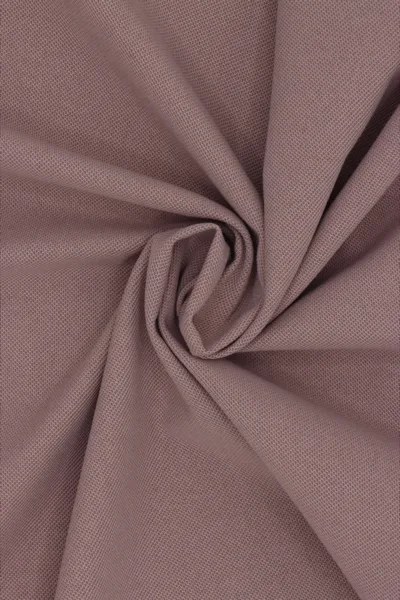 140 GSM
DG COT CCD NEW
DG CIR 0007
Activewear, Casual Tops, Polos
140 GSM
DG COT CCD NEW
DG CIR 0007
Activewear, Casual Tops, Polos
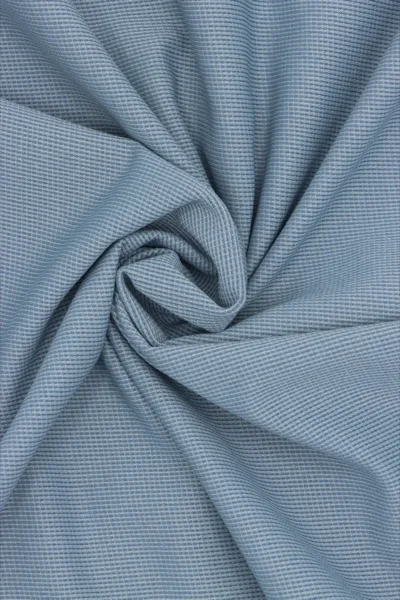 140 GSM
DG COT Air Grid
DG CIR 0022
Shirts & Tunics, Casual Tops, Kidswear
140 GSM
DG COT Air Grid
DG CIR 0022
Shirts & Tunics, Casual Tops, Kidswear
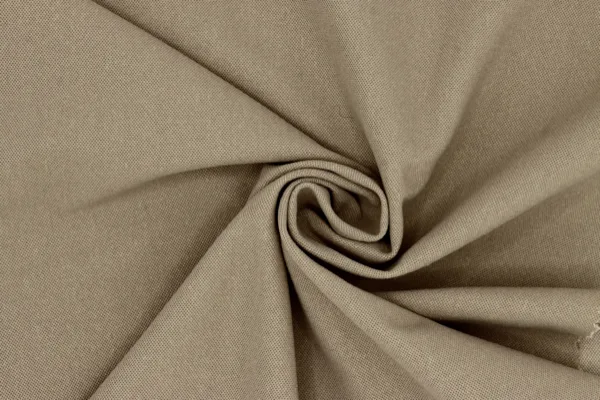 160–170 GSM
DG COT CCD
DG CIR 0003
Polos, Shirts & Tunics, Travelwear
160–170 GSM
DG COT CCD
DG CIR 0003
Polos, Shirts & Tunics, Travelwear
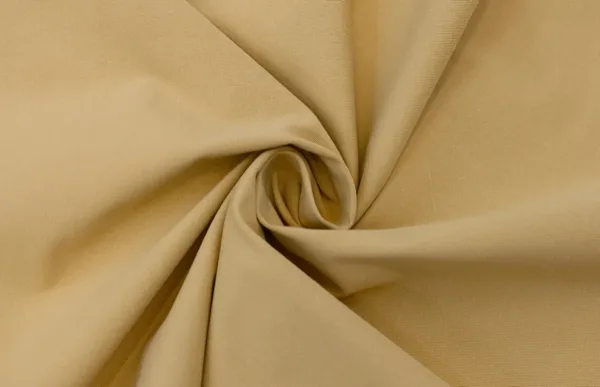 170 GSM
DG COT Biscof
DG CIR 0015
Activewear, Shirts & Tunics, Kidswear
170 GSM
DG COT Biscof
DG CIR 0015
Activewear, Shirts & Tunics, Kidswear
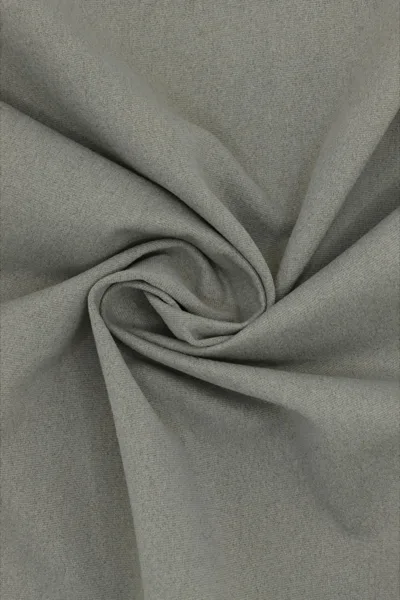 190 GSM
DG Cotton 190
DG CIR 0018
Shirts & Tunics, Polos, Casual Tops
190 GSM
DG Cotton 190
DG CIR 0018
Shirts & Tunics, Polos, Casual Tops
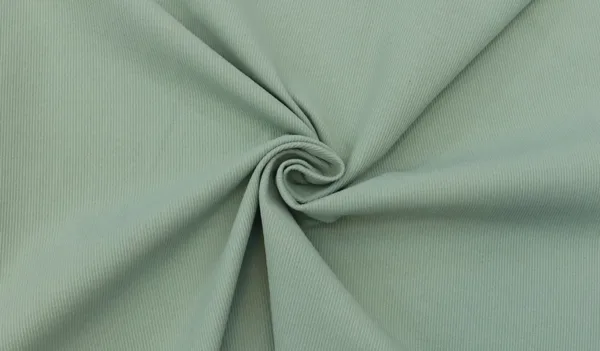 200 GSM
DG COT Line
DG CIR 0013
Shirts & Tunics, Polos, Co-ord Sets
200 GSM
DG COT Line
DG CIR 0013
Shirts & Tunics, Polos, Co-ord Sets
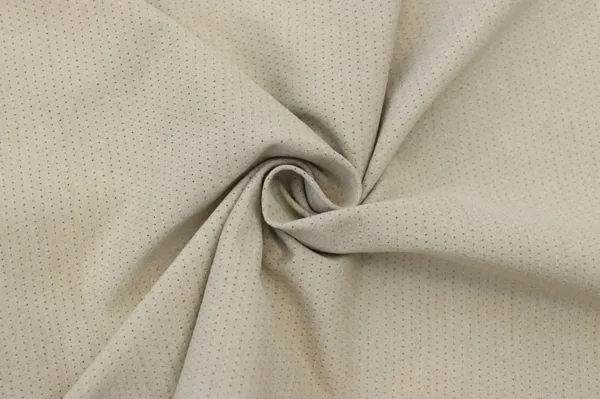 200 GSM
DG COT Mesh
DG CIR 0014
Activewear, Polos, Co-ord Sets
200 GSM
DG COT Mesh
DG CIR 0014
Activewear, Polos, Co-ord Sets
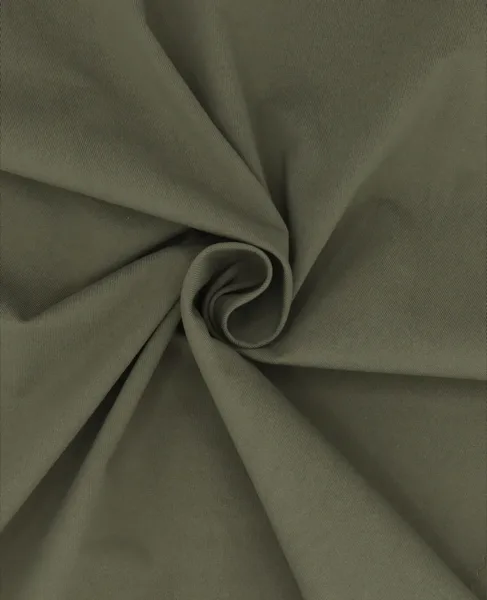 200 GSM
DG COT Soft Grain
DG CIR 0026
Shirts & Tunics, Polos, Casual Tops
200 GSM
DG COT Soft Grain
DG CIR 0026
Shirts & Tunics, Polos, Casual Tops
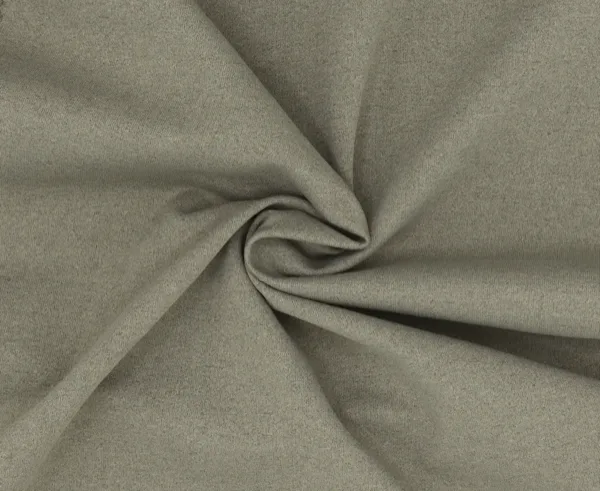 210 GSM
DG COT Looper
DG CIR 0027
Shirts & Tunics, Polos, Casual Tops
210 GSM
DG COT Looper
DG CIR 0027
Shirts & Tunics, Polos, Casual Tops
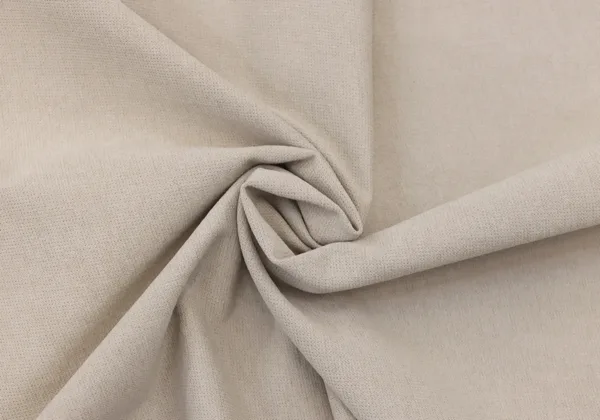 220 GSM
DG Miss Dot
DG CIR 0016
Shirts & Tunics, Co-ord Sets, Casual Tops
220 GSM
DG Miss Dot
DG CIR 0016
Shirts & Tunics, Co-ord Sets, Casual Tops
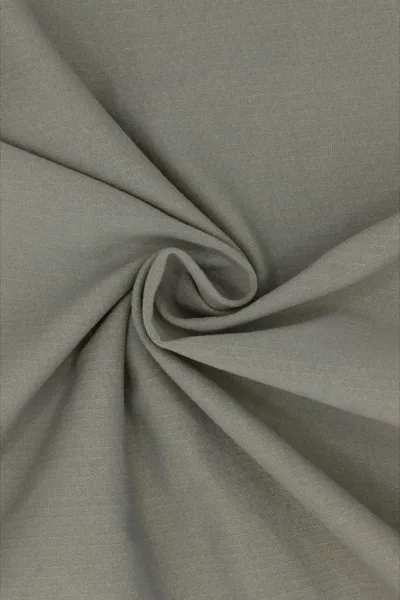 220 GSM
DG COT Ramp
DG CIR 0019
Shirts & Tunics, Polos, Casual Tops
220 GSM
DG COT Ramp
DG CIR 0019
Shirts & Tunics, Polos, Casual Tops
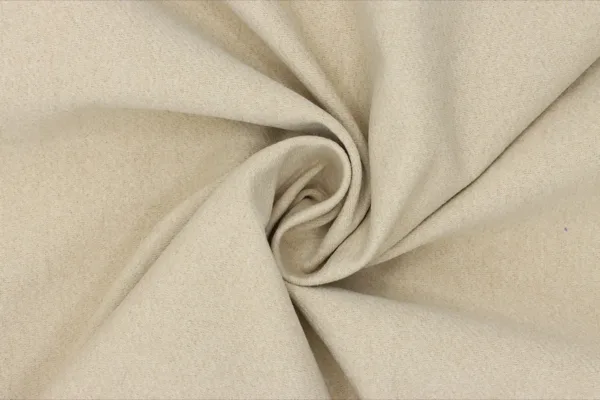 220 GSM
DG COT Twill
DG CIR 0020
Sweatshirts & Hoodies, Joggers, Co-ord Sets
220 GSM
DG COT Twill
DG CIR 0020
Sweatshirts & Hoodies, Joggers, Co-ord Sets
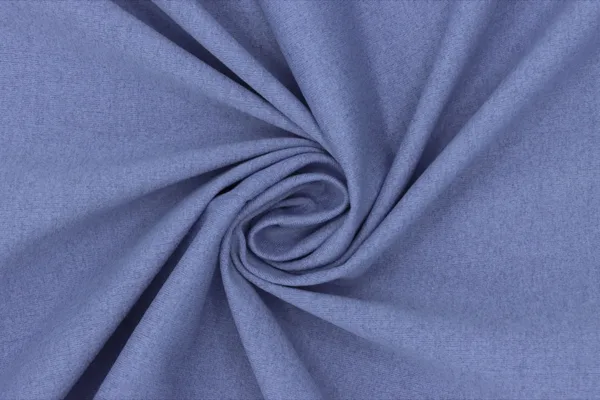 220 GSM
DG COT Lilen
DG CIR 0021
Shirts & Tunics, Co-ord Sets, Loungewear
220 GSM
DG COT Lilen
DG CIR 0021
Shirts & Tunics, Co-ord Sets, Loungewear
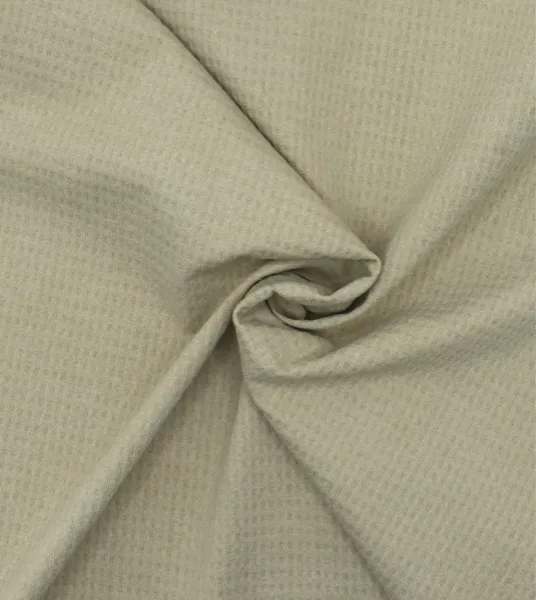 220 GSM
DG COT Box
DG CIR 0024
Shirts & Tunics, Polos, Co-ord Sets
220 GSM
DG COT Box
DG CIR 0024
Shirts & Tunics, Polos, Co-ord Sets
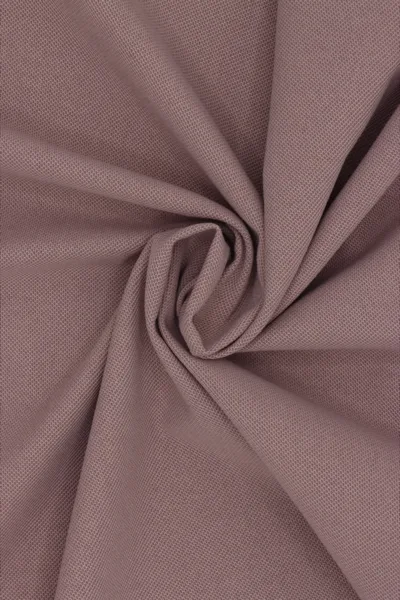 230 GSM
DG COT Bubble
DG CIR 0008
Polos, Shirts & Tunics, Co-ord Sets
230 GSM
DG COT Bubble
DG CIR 0008
Polos, Shirts & Tunics, Co-ord Sets
 230 GSM
DG COT Starline
DG CIR 0009
Shirts & Tunics, Polos, Co-ord Sets
230 GSM
DG COT Starline
DG CIR 0009
Shirts & Tunics, Polos, Co-ord Sets
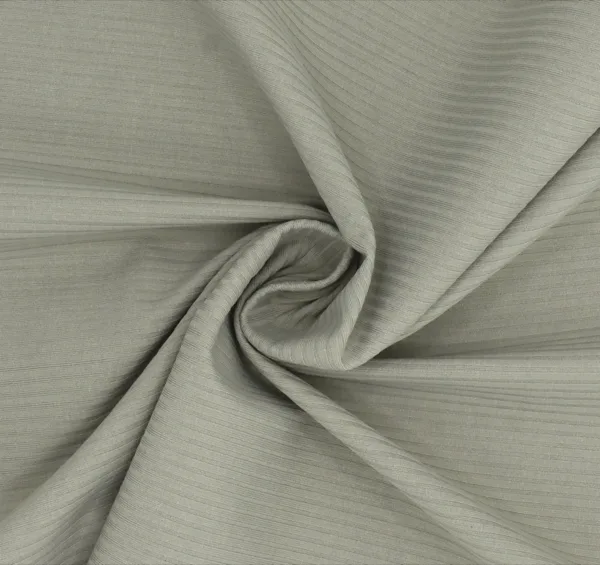 230 GSM
DG COT Wako
DG CIR 0025
Shirts & Tunics, Polos, Light Outerwear
230 GSM
DG COT Wako
DG CIR 0025
Shirts & Tunics, Polos, Light Outerwear
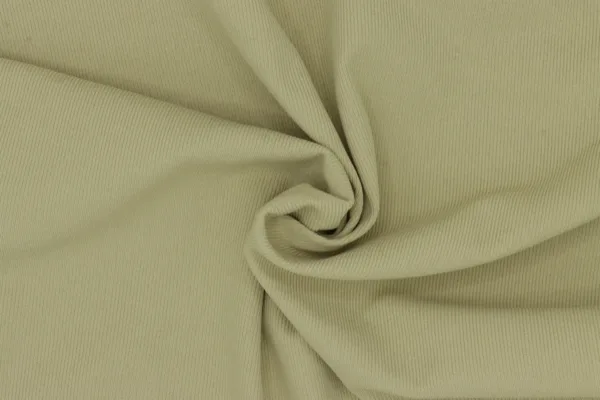 240 GSM
DG COT Soft Rib
DG CIR 0002
Casual Tops, Co-ord Sets, Sweatshirts & Hoodies
240 GSM
DG COT Soft Rib
DG CIR 0002
Casual Tops, Co-ord Sets, Sweatshirts & Hoodies
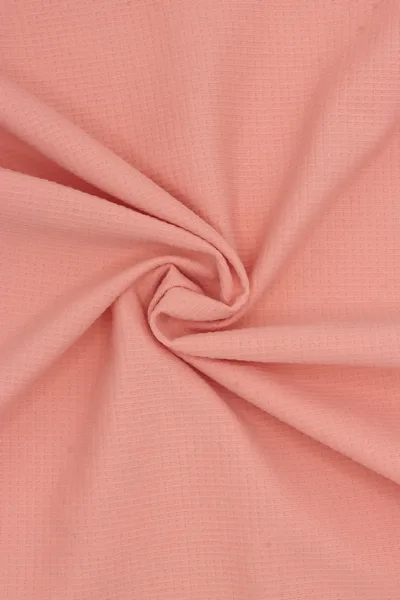 240 GSM
DG COT Mini Grid
DG CIR 0004
Casual Tops, Polos, Co-ord Sets
240 GSM
DG COT Mini Grid
DG CIR 0004
Casual Tops, Polos, Co-ord Sets
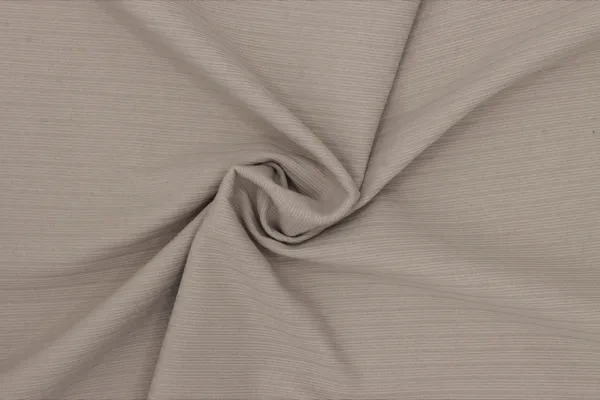 240–250 GSM
DG COT Boomer
DG CIR 0006
Casual Tops, Shirts & Tunics, Co-ord Sets
240–250 GSM
DG COT Boomer
DG CIR 0006
Casual Tops, Shirts & Tunics, Co-ord Sets
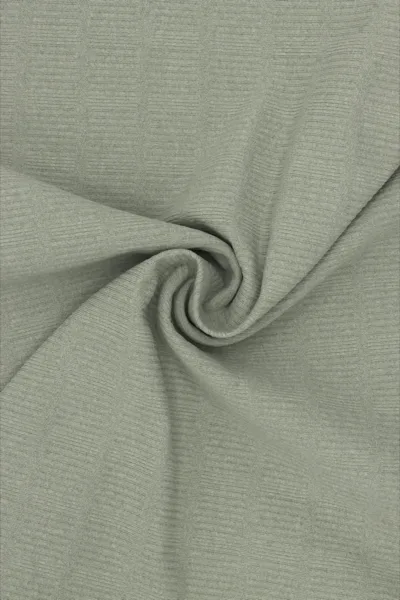 240 GSM
DG COT Dry Line
DG CIR 0011
Co-ord Sets, Shirts & Tunics, Casual Tops
240 GSM
DG COT Dry Line
DG CIR 0011
Co-ord Sets, Shirts & Tunics, Casual Tops
 250 GSM
DG COT Peach Touch
DG CIR 0001
Co-ord Sets, Sweatshirts & Hoodies, Joggers
250 GSM
DG COT Peach Touch
DG CIR 0001
Co-ord Sets, Sweatshirts & Hoodies, Joggers
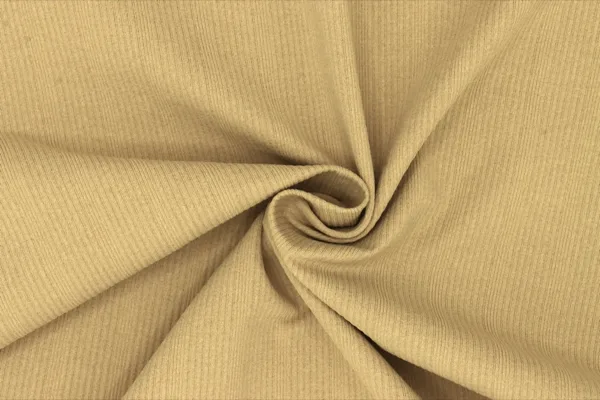 250 GSM
DG COT Fine Rib
DG CIR 0012
Shirts & Tunics, Polos, Co-ord Sets
250 GSM
DG COT Fine Rib
DG CIR 0012
Shirts & Tunics, Polos, Co-ord Sets
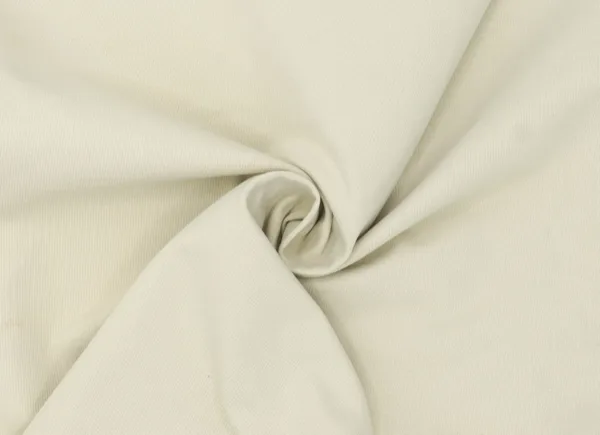 250 GSM
DG COT Miss Dot
DG CIR 0017
Shirts & Tunics, Co-ord Sets, Loungewear
250 GSM
DG COT Miss Dot
DG CIR 0017
Shirts & Tunics, Co-ord Sets, Loungewear
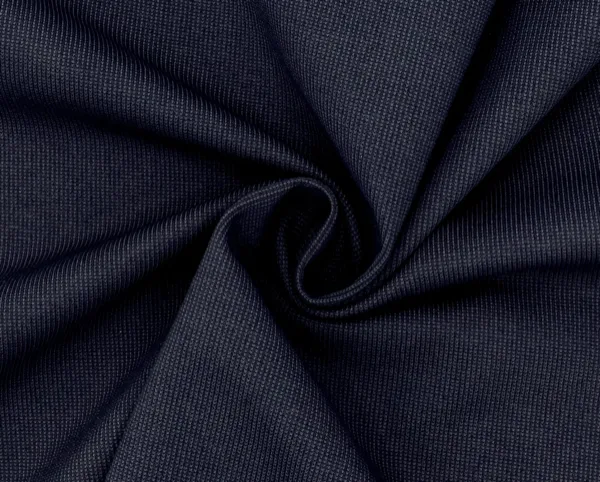 270 GSM
DG COT Miss Dot Heavy
DG CIR 0023
Polos, Shirts & Tunics, Light Outerwear
270 GSM
DG COT Miss Dot Heavy
DG CIR 0023
Polos, Shirts & Tunics, Light Outerwear
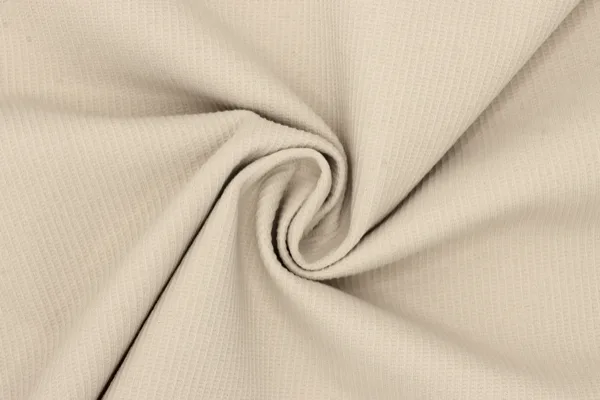 290–300 GSM
DG COT Thermal Grid
DG CIR 0005
Sweatshirts & Hoodies, Co-ord Sets, Joggers
290–300 GSM
DG COT Thermal Grid
DG CIR 0005
Sweatshirts & Hoodies, Co-ord Sets, Joggers
Get swatches
Tell us the garment, target GSM and monthly quantity. We will shortlist articles, send physical swatches and quote — usually within one working day. Standard minimum order is 500 kg; trial quantities are discussed for new relationships.
Related
Published . Last reviewed .